Inbox Overload

Emailoverload

I’ve come to loathe email. After a few days of holiday neglect, a growing sense of duty weighs on me. It’s always there, waiting, breeding in my inbox. The relentless onslaught of email creates the sense of being buried alive in a barrage of electronic messages — some with valuable information and some totally without. Keeping on top of the review and sorting process to reach the holy grail of inbox zero can take hours out of a daily routine.


I didn’t always feel this way. In the late 70’s, email was an empowering tool to coordinate holidays and vacation travel with my extended family. In the 80’s, friends began to join us online and I could suggest exchanging files with a few progressive clients. During the 90’s email access and use became ubiquitous, but it wasn’t until this past dismal decade that the time-cost versus reward-benefit analysis tipped to become burdensome.


I’ve finally decided it’s the lack of commonly accepted email communication practices that turned this useful tool into a burden. (The use of strong spam/security software is a given.) Using good subject lines and remembering the telephone are the two practices that I tend to see neglected most often. To help others fighting this battle after the holidays or any other time of year, here’s a collection of classic and current articles:

Harvard Business School Tips for Mastering Email Overload.
http://hbswk.hbs.edu/archive/4438.html


10 steps to get your e-mail inbox to zero every day | Social Signal
http://bit.ly/86MIfs


99 Email Security and Productivity Tips.
http://bit.ly/7rxi2g


Cartoon: Inbox Overload
http://www.readwriteweb.com/archives/cartoon_inbox_overload.php
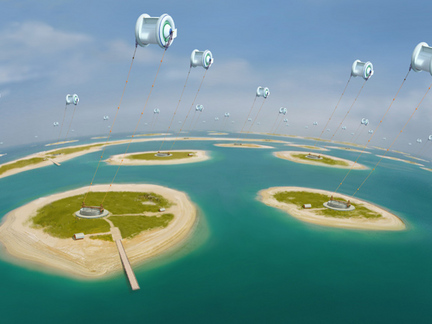
 

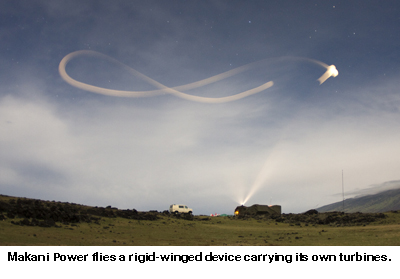
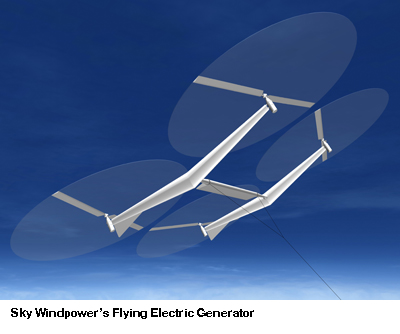
Let’s Get Wind Power Off the Ground. A new crop of entrepreneurs believes that wind power can and should take to the skies — literally.

Another interesting body of research and entrepreneurial activity covered by Miller-McCune. Wondering how we’ll refer to what replaces the NIMBY reaction if this starts moving into practice… Not-in-my-back-sky? Not-over-my-head? Or just not-overhead, NO!


http://bit.ly/5deNyE


((tags: renewable energy, words))


Radisch_islandcluster_magenn_aMauiautonomoustesting_makani_pImage31kite_genFeg_and_environment_sky_windpo

Climate-Changing Dirt | Miller-McCune Online Magazine

Media_https3amazonaws_cvybk

Could soil engineered specifically to maximize carbon storage dampen some effects of climate change? Very possibly, according to the scientists featured in this article.

Why is it we hear so little about this research in the mainstream media? Miller-McCune and New Scientist magazines/websites both tend to excite me with research about new possibilities to address our world’s most vexing problems, while at the same time creating frustration about my lack of time to vet those possibilities. I yearn for a team of personal science fact-checkers.

Vortex: The Perfect Word Choice

Listening to Scott Simon this morning on NPR’s Weekend Edition brought a warm glow — of admiration and empathy.

The admiration is for the use of the perfect term to describe his situation: Technology Vortex. I chuckled at the real-life examples familiar to so many of us. Simon dutifully attributes coining of the term to the philosopher Jonathon Schorr, but although I first read it elsewhere, it will inevitably be Scott Simon’s version I remember. “Technology Vortex is an invisible whirling mass that hovers over some of us to suck the vitality out of our technological devices.”

The empathy? Well, let’s just say I had no difficulty understanding or identifying with many of the examples.

In case you missed it, it’s well worth the three-minute listen or 30-second read.

A Special Report on Climate Change and the Carbon Economy

Currentcoverus

The December 5th issue of The Economist magazine contains a 16-page special report on climate change. In advance of next week’s opening of the Copenhagen conference, aka Cop15, or the United Nations Framework Convention on Climate Change (UNFCC), the special report and accompanying audio/video enhancements are well worth picking up.


I often have a hard time telling what’s available to everyone and what’s not with my premium content subscriptions, but hopefully the sponsors and underwriters for this special report want to encourage sharing (cookies must be enabled):


Economist, December 5 special report


Audio introduction:
The Carbon Economy: Interview with Emma Duncan, deputy editor