Lag In Intelligent Transportation Could Hurt Economy

rush_hour_in_kobe

The United States lags years behind countries like Japan, Singapore and South Korea in implementing sophisticated intelligent transportation systems that make moving goods and people more efficient, and it could hurt the economy, according to a new report.

The Information Technology and Innovation Foundation that examined what world leaders in transportation are doing and found the United States is far behind in developing vehicle to vehicle and vehicle to infrastructure communication and telemetry systems. The report found Japan leads the world in adopting such technology, often called Intelligent Transportation Systems or ITS.

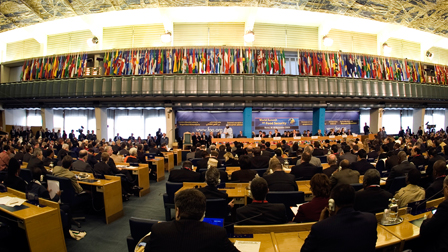
Photo of rush hour in Kobe, Japan: Flickr / sachman75


Duh… The U.S. lags behind other countries in implementing sophisticated technologies to make moving people and goods more efficient, and that might harm our economy? Please don’t just tell me what’s obvious to anyone who has traveled abroad. Offer some bold and practical suggestions for changing the status quo.

Come now, SEC — everyone is impacted by climate change

BERLIN - JANUARY 23: A snowman is pictured wit...Image by Getty Images via Daylife

I didn’t know whether to laugh or cry when I read today that the SEC  has now said that companies have an obligation to tell  investors of any risks — or benefits, for that matter — that climate change poses to their business. Specifically:

The S.E.C., on a party-line 3-2 vote, issued “interpretive guidance” to help companies decide when and whether to disclose matters related to climate change. The commission said that companies could be helped or hurt by climate-related lawsuits, business opportunities or legislation and should promptly disclose such potential impacts. Banks or insurance companies that invest in coastal property that could be affected by storms or rising seas, for example, should disclose such risks, the agency said.

via S.E.C. Says Companies Should Disclose Climate-Related Risks – NYTimes.com.

For goodness sake, there is not a company that I can think of that won’t feel an impact one way or the other when the climate goes nuts.  You have  a plant in a hurricane zone? Big trouble.  You don’t but your main competitor does?  Big boon.  Neither you nor your competitors have plants there, but your main customer does? Mucho big trouble.  You run a tiny clothing store, and you’ve made a good living selling parkas and ski clothes?  The snow melts too soon, and Chapter 11,. here you come.

I’m not trying to be a doomsday predictor, hollering Repent, repent before it’s too late.  But it you accept that the climate is changing, then you must accept that every single company must list how different scenarios would affect its business.  Otherwise, this is another exercise in futility.

But all that would be worth a sad smile or a single tear.  What has me ready to either guffaw or sob was that, after proposing the new disclusres, Mary L. Schapiro gave the boilerplate disclaimer:

“we are not opining on whether the world’s climate is changing; at what pace it might be changing; or due to what causes. Nothing that the commission does today should be construed as weighing in on those topics.”

Let me get this straight: We are not saying that the climate is changing, but we are saying that you’d better disclose how you will be affected by this change that we are not claiming is happening?

Ain’t Washington rhetoric grand?

Posts like this are why Claudia Deutsch’s The Bottom Line blog on True/Slant regularly makes my day. It can be far too easy by the end of a work week of reading absurd news stories to begin to feel alone: Doesn’t anyone else find this ridiculous? Why aren’t the media pundits covering this story? Claudia reassures me on both counts.

Thinking Space

Cool, interactive multimedia exploration of where readers of The Economist go to think and find inspiration. Reminds me that although I have several such places, I haven’t been making enough time to go to my favorite Thinking Spaces lately.

The Gates Notes: We Need Productivity and Sustainability

Media_httpwwwthegates_lthgt

Helping poor farmers improve productivity is a critical step in reducing global hunger. But there is an ideological divide over how best to help them. The truth is that both sides have something important to offer. http://www.thegatesnotes.com/Thinking/article.aspx?ID=99

Bill Gates includes food and agriculture on his new personal brand website. Interesting thoughts from an influential source.

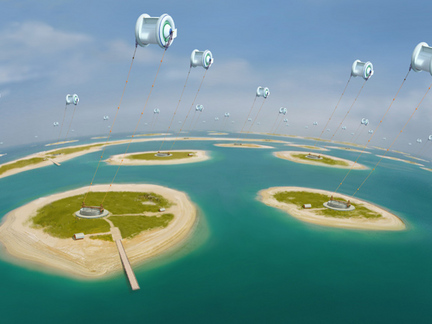
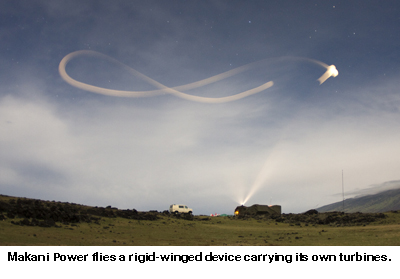
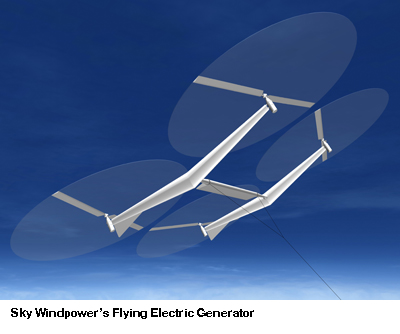
Let’s Get Wind Power Off the Ground. A new crop of entrepreneurs believes that wind power can and should take to the skies — literally.

Another interesting body of research and entrepreneurial activity covered by Miller-McCune. Wondering how we’ll refer to what replaces the NIMBY reaction if this starts moving into practice… Not-in-my-back-sky? Not-over-my-head? Or just not-overhead, NO!


http://bit.ly/5deNyE


((tags: renewable energy, words))


Radisch_islandcluster_magenn_aMauiautonomoustesting_makani_pImage31kite_genFeg_and_environment_sky_windpo